
Why Soft Skills Decide Who Stays
Permanent hiring has quietly changed.
For most enterprise roles, technical fit is no longer the hardest thing to establish. Certifications can be verified. Platform experience shows up clearly on a resume. Skills assessments are widely available. Most finalists for an Oracle Cloud, Workday or SAP role can do the work described in the job posting.
Yet many organizations still see strong hires leave within the first year, or stay without ever growing into the role they were hired for.
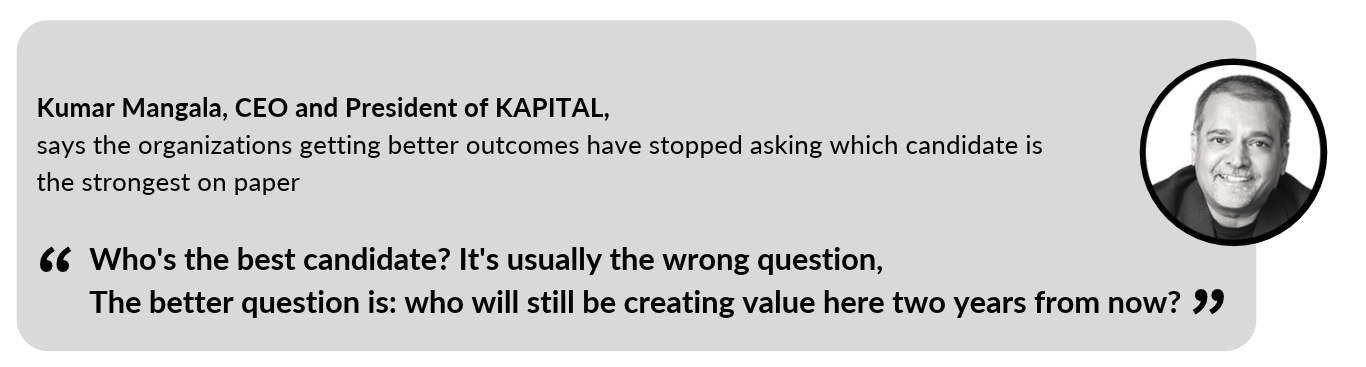
Answering that question well is the purpose of the DreamHire practice.
Technical Fit Is No Longer the Hard Part
When a hire doesn't work out, the cause is rarely a missing technical skill.
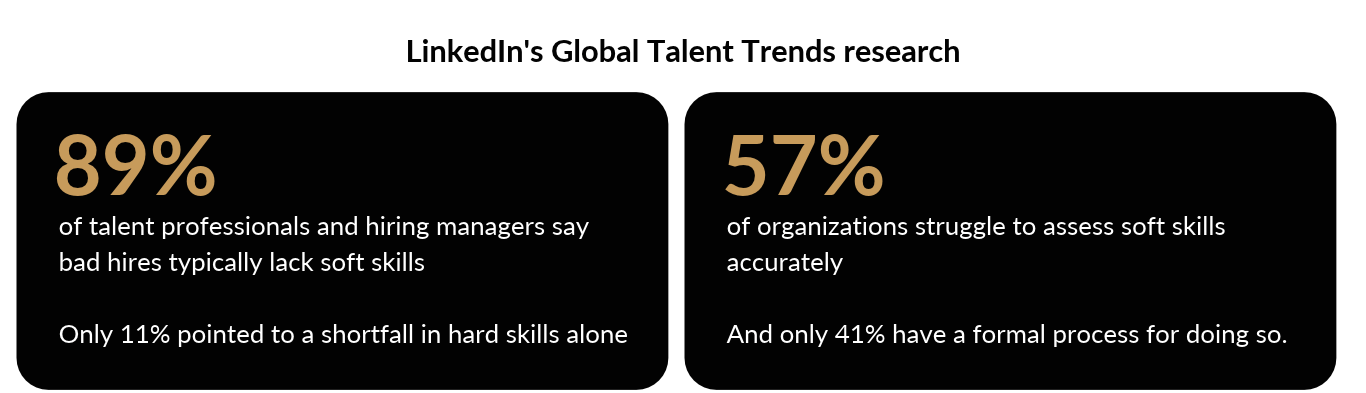
That gap is expensive. Gallup estimates that replacing an employee costs between one-half and two times their annual salary, and calls that a conservative figure. For a senior ERP or enterprise technology role, the visible replacement cost is only part of it. A departure six months into an implementation can delay milestones, unsettle a team, and push critical decisions back by a quarter or more.
AI is widening the gap further. As automation takes on more routine technical work, the human contribution shifts toward judgment, adaptability, collaboration and the ability to learn quickly. Those are exactly the qualities a resume is least able to show.
Two Hires, One Resume
Consider two candidates for the same Oracle Cloud finance lead role.
Both have eight years of experience. Both have led implementations. Both interview well and hold the same certifications.
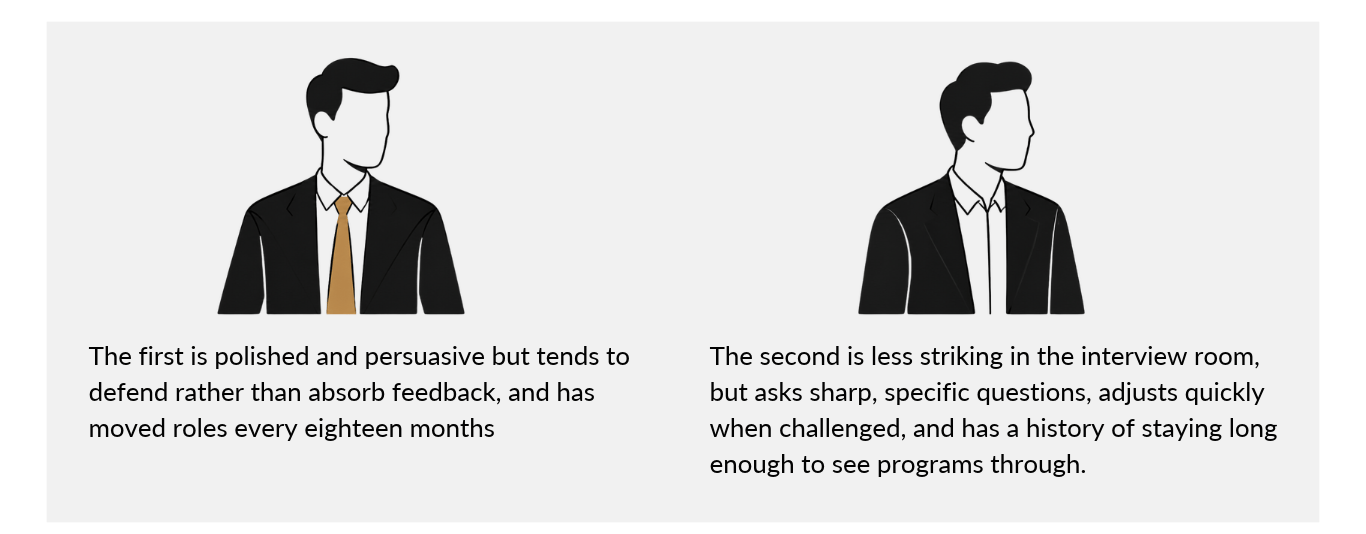
On paper, the two are interchangeable.
Two years later, the outcomes rarely are. One is often on to the next role. The other is frequently the person who has absorbed two restructures, rebuilt part of the team and now owns the roadmap.
The difference sits almost entirely in soft skills: self-motivation, openness to feedback, temperament, judgment and the commitment to stay and build. Traditional hiring processes are not designed to see it.
What the DreamHire Practice Is
 DreamHire is KAPITAL's practice for permanent, direct-hire placement. It applies to every permanent role we fill, from developers and functional analysts to directors and general counsel, across Oracle Cloud, Workday, SAP, PeopleSoft, Infor, UKG, Salesforce, Tricentis, Legal and Energy.
Its premise is simple: technical skills earn a candidate a place on the shortlist, but soft skills decide whether they succeed and stay. The practice is built to evaluate both, with deliberate weight on the second.
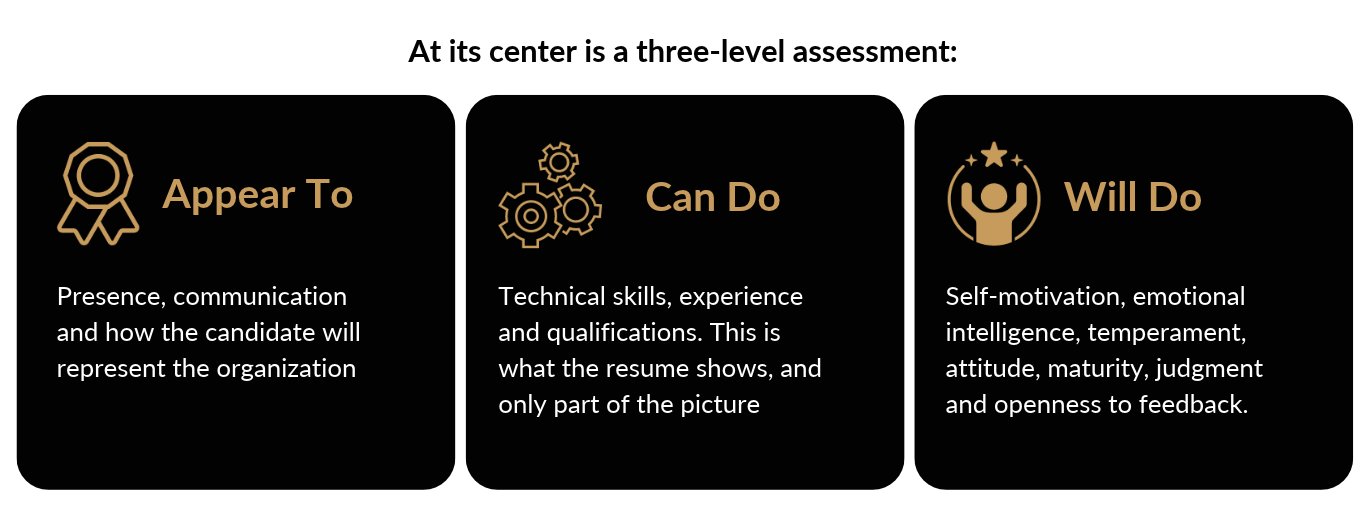
Most hiring processes stop at the second level. DreamHire does not present a candidate who has not been assessed at the third.
How the practice works
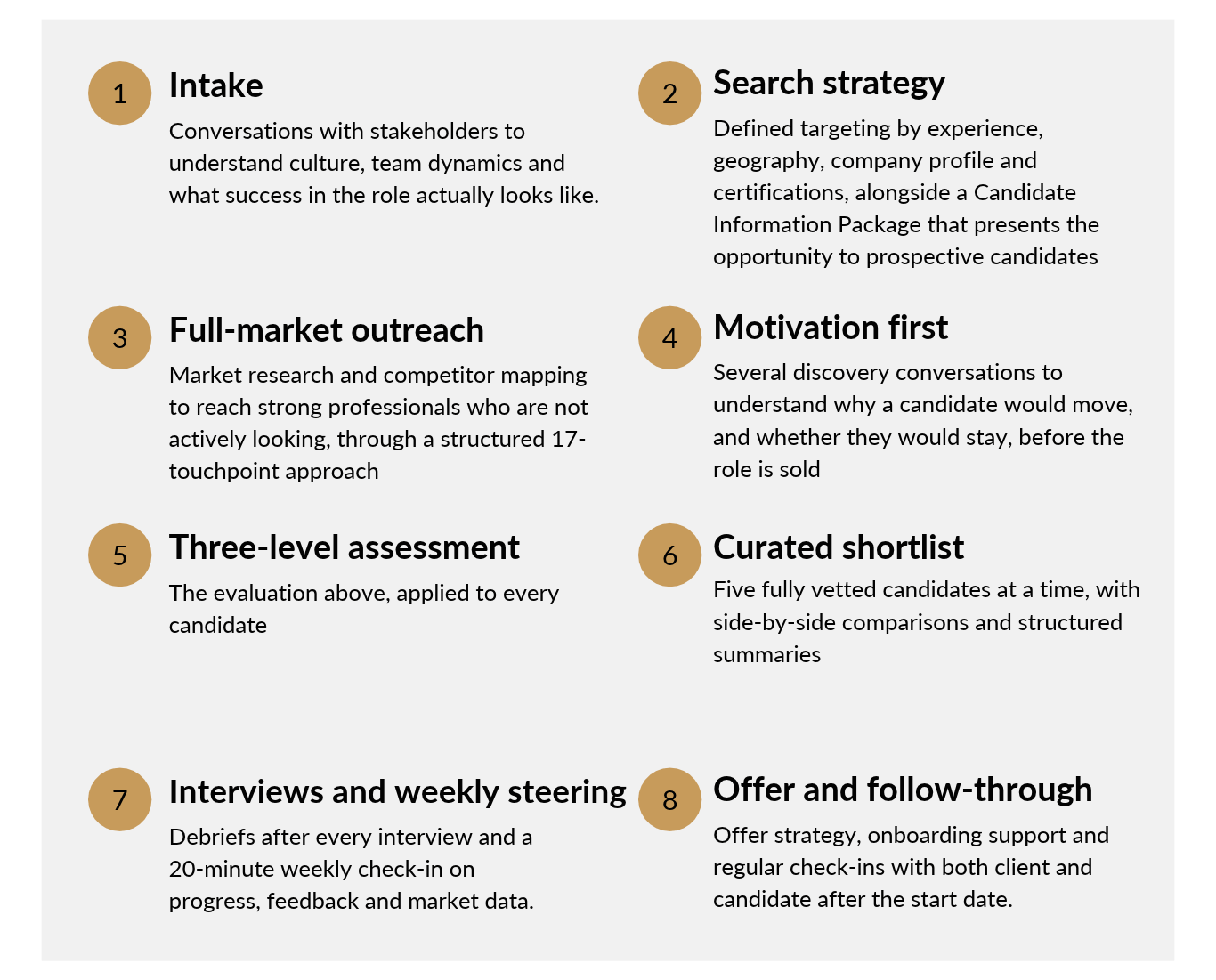
The result is reflected in retention: 96% of DreamHire placements remain in role after 12 months.
The full methodology is outlined on the DreamHire website.
Questions Worth Asking Before the Next Permanent Hire
Whether or not an organization works with an outside partner, a few questions can sharpen any permanent hiring decision:
 Beyond the technical requirements, which soft skills will determine success in this role over the next two years?
- How are we assessing those skills today, and would two interviewers reach the same conclusion?
- Are we only seeing candidates who are actively applying, or the full market of people who could do this well?
- Have we understood why each finalist would make this move, and what would make them stay?
- What happens to the program, the team and the timeline if this hire leaves within six months?
That last question tends to reframe the others. When the cost of an early departure is made explicit, the time spent assessing soft skills stops looking like a delay and starts looking like risk management.
Looking Ahead
As AI takes on more of the technical work inside enterprise systems, the qualities that distinguish one hire from another will increasingly be human ones: judgment, adaptability, the willingness to learn, and the commitment to stay and build.
Organizations that assess for those qualities deliberately will make fewer hires that need to be made twice.
That is the thinking behind DreamHire. Every placement made through the practice is backed by a 90-day placement assurance, so clients do not carry the cost of a hire that doesn't work out.
If you are planning a permanent hire and want to compare notes on what predicts long-term success in your environment, we'd welcome the conversation. You can explore the DreamHire practice, review our DreamHire case studies, or schedule time with us.